

From Our Labs to the Sector
Gomatam Ravi, Chief Technology Officer, GPS Renewables
At GPS, the R&D function exists to improve process and product performance, the things that cannot be fixed by plant design. They are variables that require ongoing scientific work to improve. R&D in our company exists for three specific purposes:
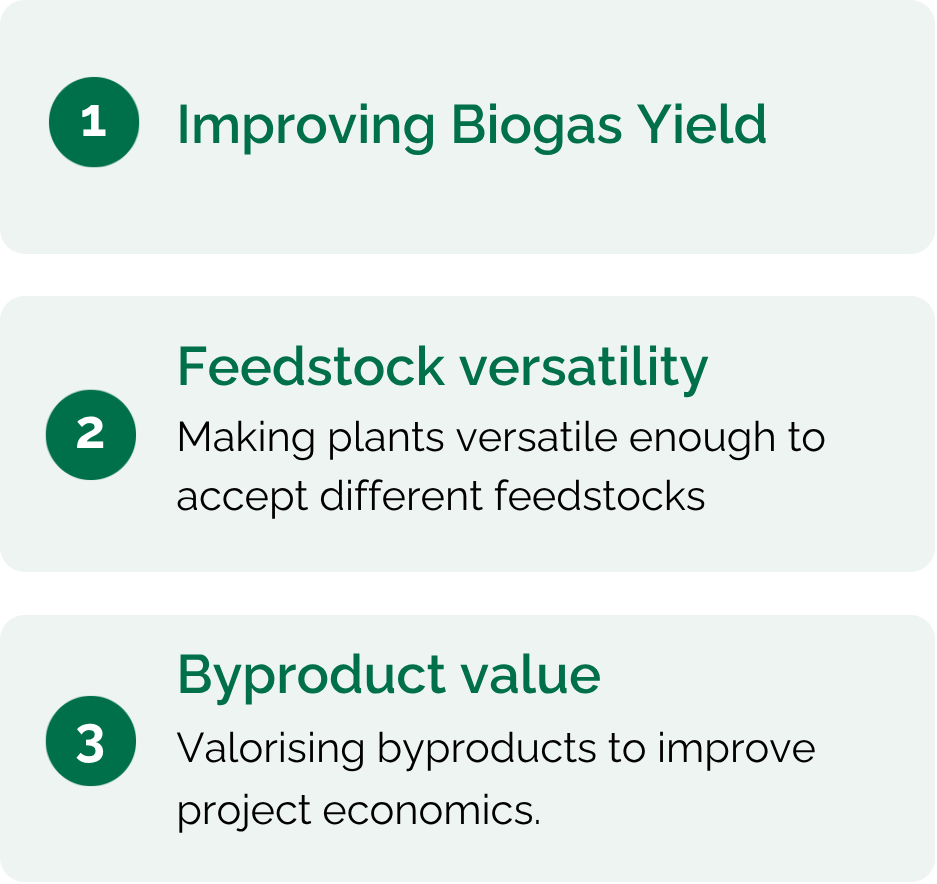
Without R&D, GPS becomes a generic EPC/CBG builder that is locked into whatever feedstock and process the plant was designed around, with byproducts treated as waste instead of revenue. What we do differently from the rest of the sector is to research these three areas actively and move that work from bench scale to full scale.
THE JOURNEY · BENCH TO FIELD
Taking a discovery all the way to a plant
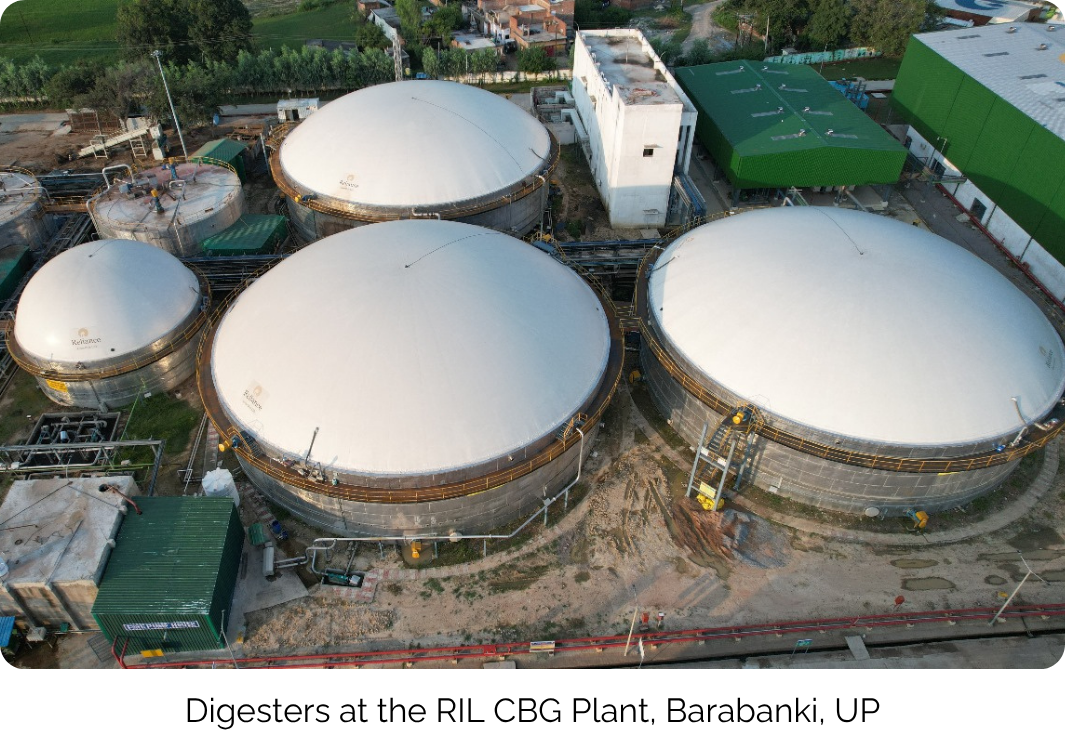
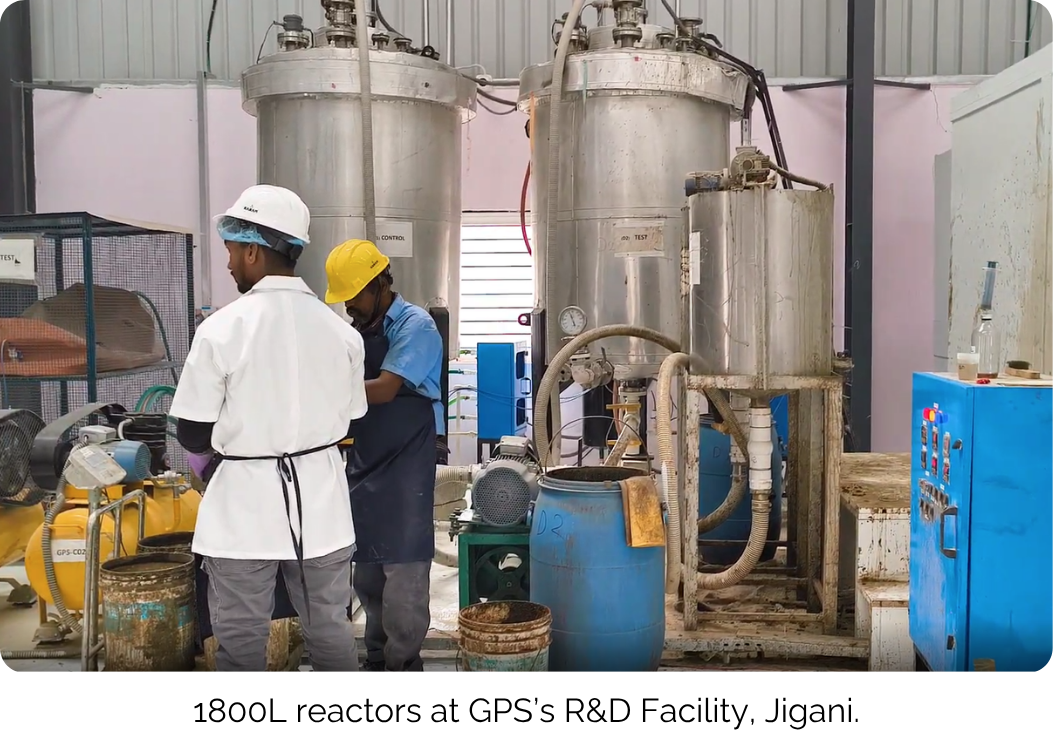
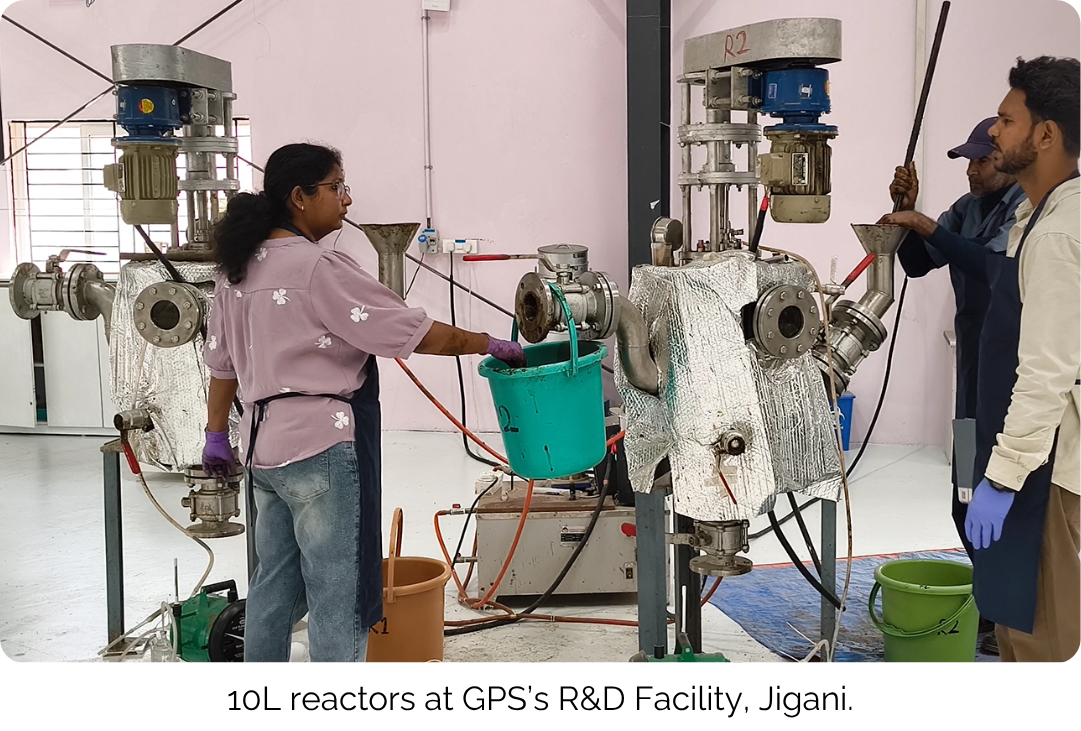
The path from a lab bench to a working outcome at full scale is rarely smooth. Here’s how this looks, and where we tend to face challenges.
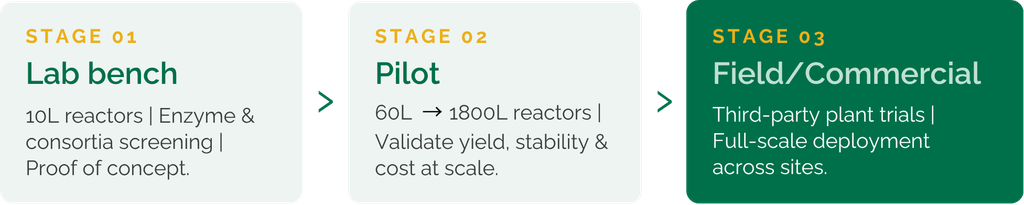
- Sterilisation: Straightforward at lab scale, but doing it economically at industrial scale is a constraint.
- Raw materials: Lab-grade reagents give way to industrial raw materials and nutrients, introducing batch-to-batch variability that a controlled lab never has to account for.
- Mixing: Trivial in a lab digester, but a real engineering problem in a 6,000 m³ industrial digester.
- Temperature control: Simple at lab scale, difficult to maintain at industrial volumes.
- Economics: Scaling the process economically while holding onto the efficiency that made it work in the lab in the first place.
“Our new R&D facility will serve as the hub for our next-generation biofuel and biogas technology development. All of our tech, research and innovation objectives require collaboration across functions. We’re excited about building, experimenting, and setting benchmarks for the industry together.
Gomatam Ravi, CTO, GPS Renewables
Our 5-year R&D vision:
In five years, we should have organisms that will improve digestion and provide higher yield. We should have defined organisms that will cater to feedstock switching. We will have processes that will valorise the digestate and value-added products to improve the economics of the plant. And we will have an indigenous process to make SAF demonstrated at pilot scale. We would have microorganisms that produce hydrolytic enzymes in situ.